
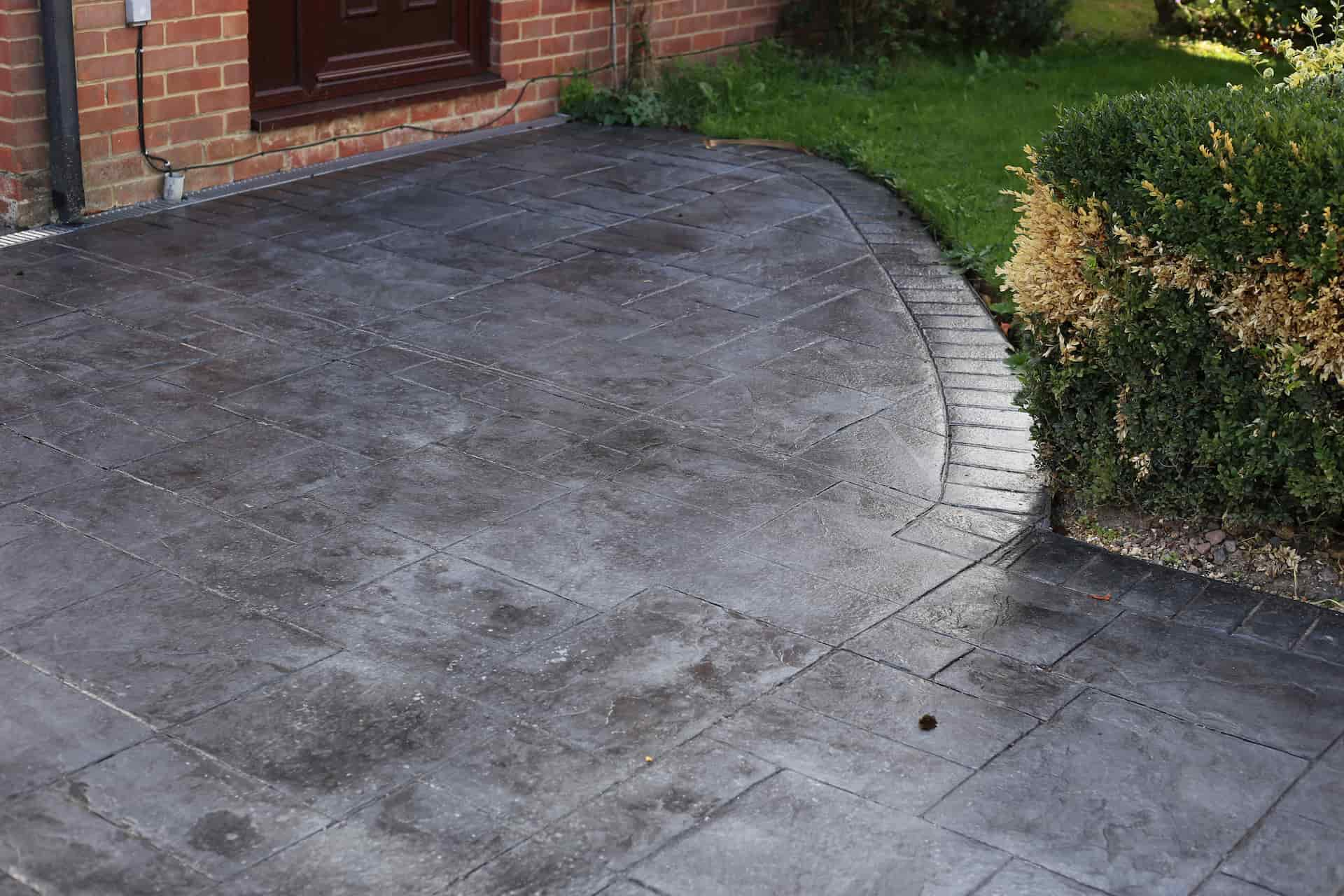
Beeston NG9 · Imprinted Concrete
Concrete Driveways Beeston
Planning a project in Beeston? Tell us what you have in mind and we will come back to you with a free, no-obligation quote.
- Free, no-obligation quotes
- Imprinted concrete driveways and patios
- 5 star rated contractors
 5 star rated contractors
"*" indicates required fields
- Full Public Liability Insurance
- All Work Guaranteed
- Free Site Surveys
- No Obligation Quotations
- Experienced & Qualified Workforce
What is Imprinted Concrete?
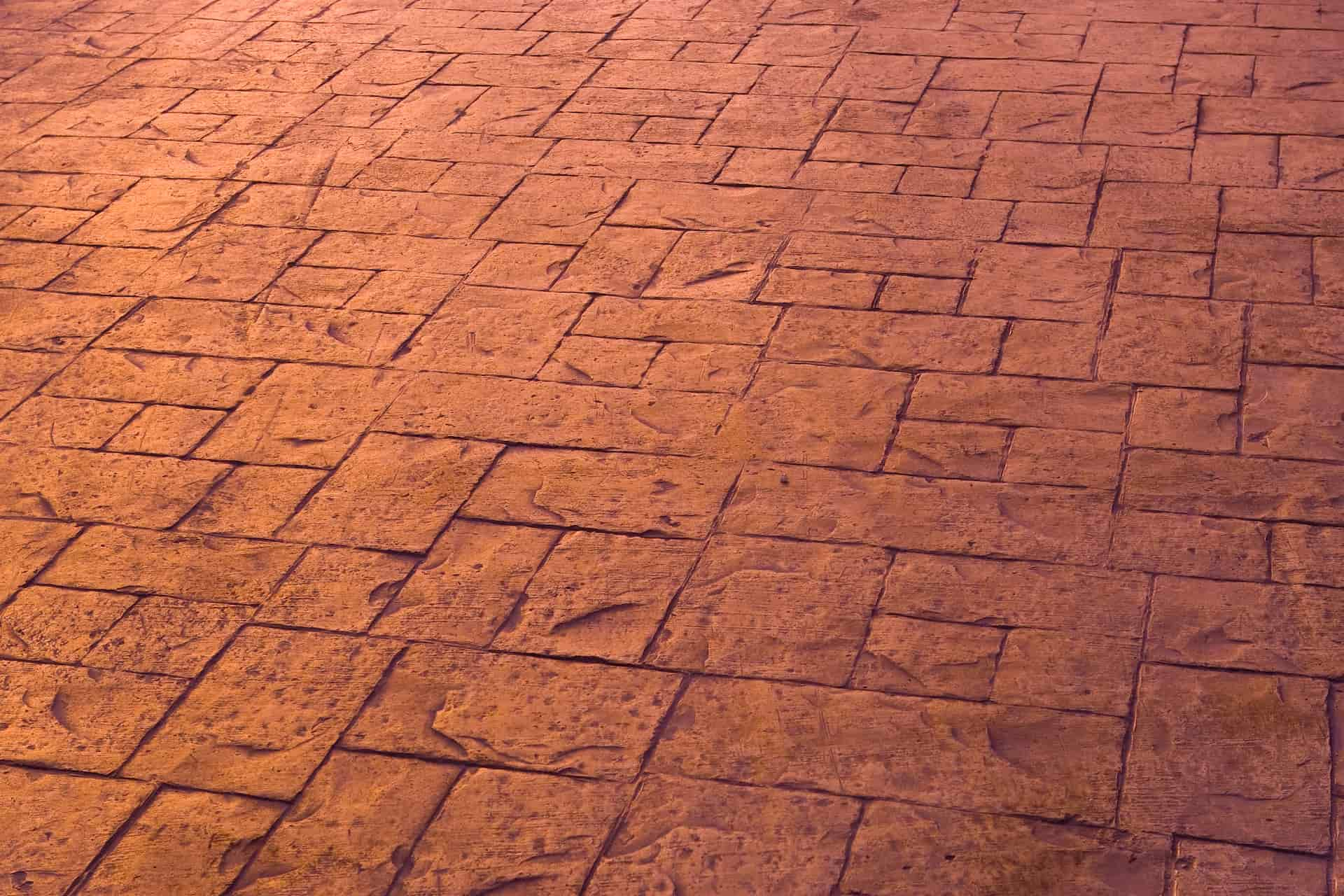
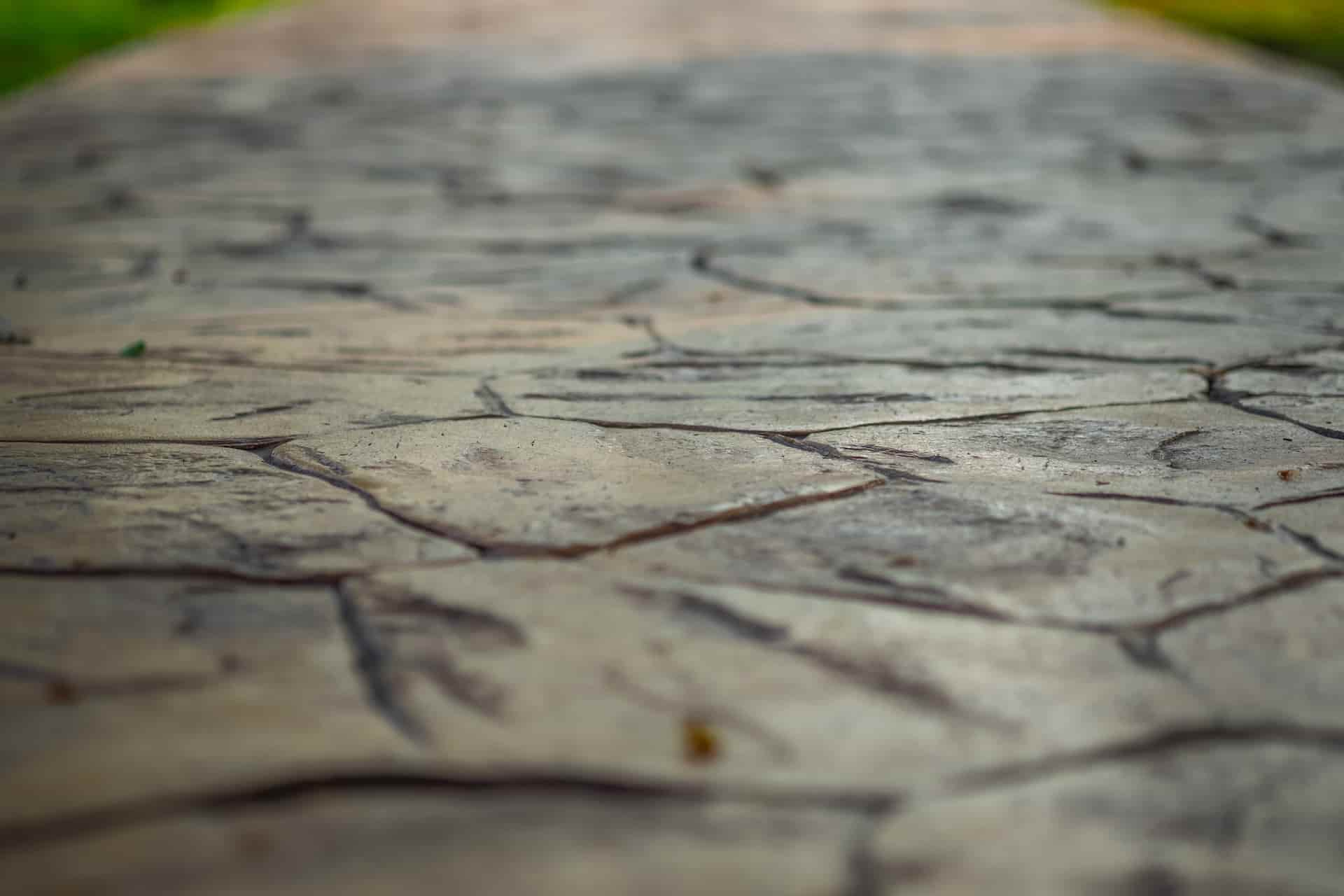
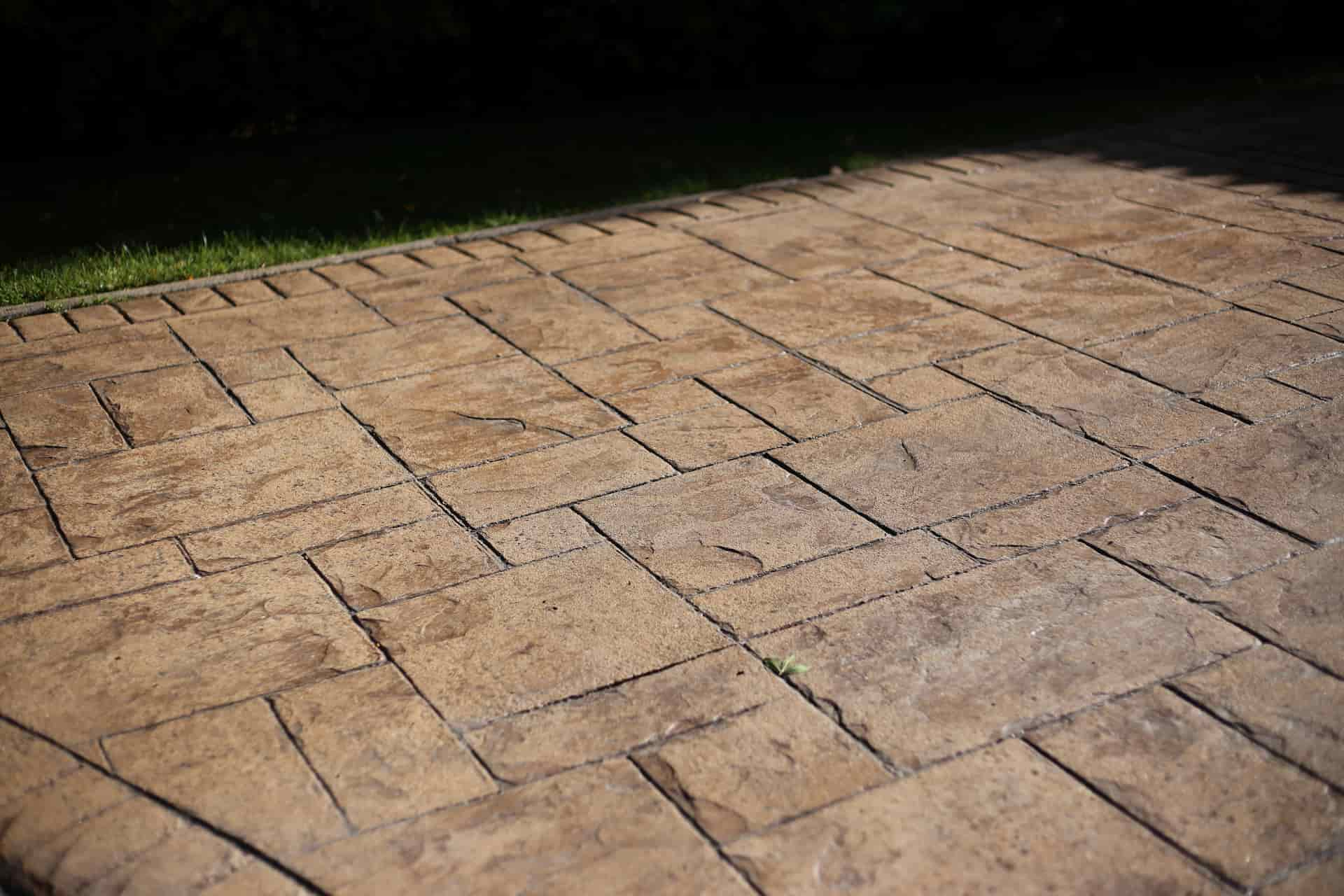
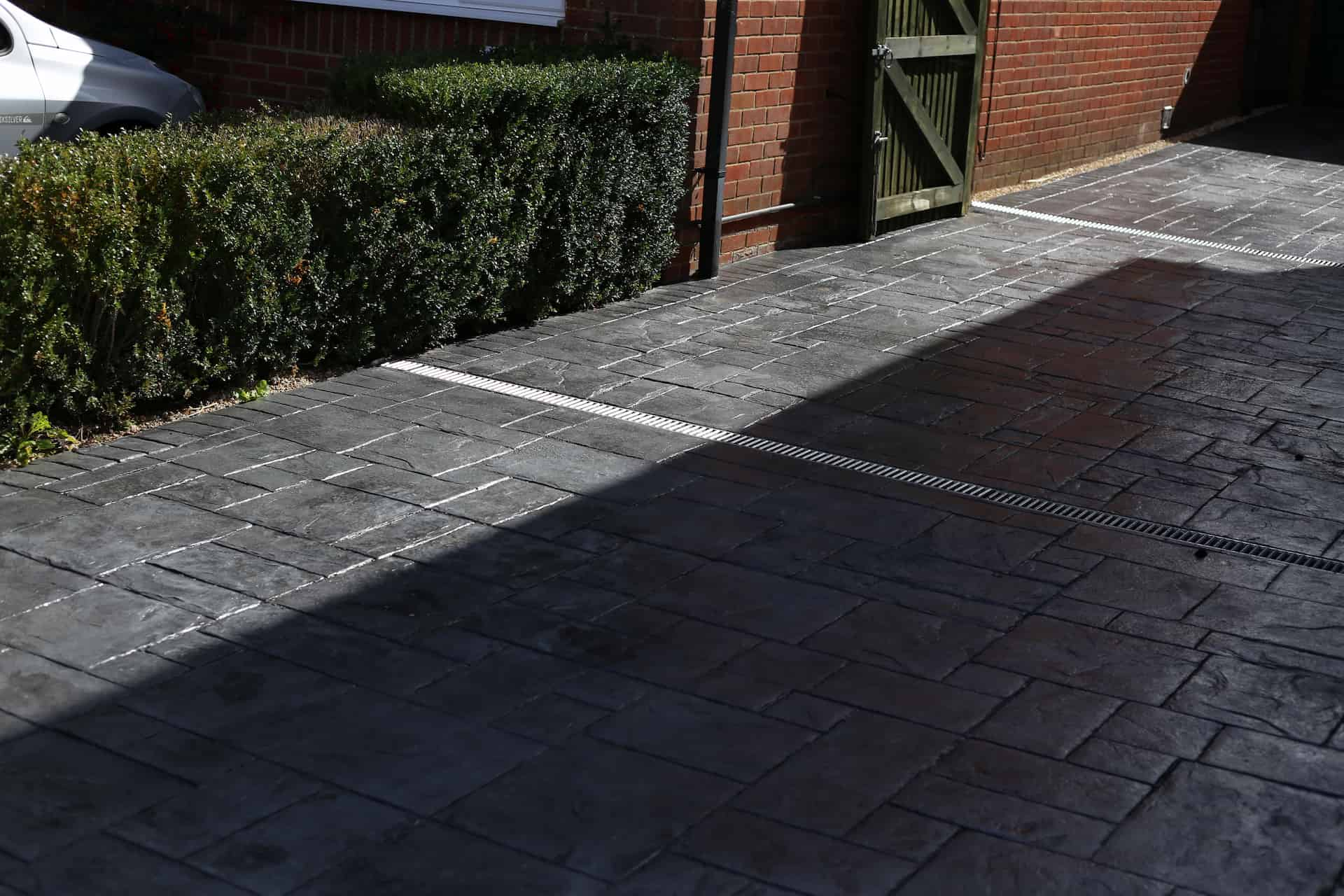
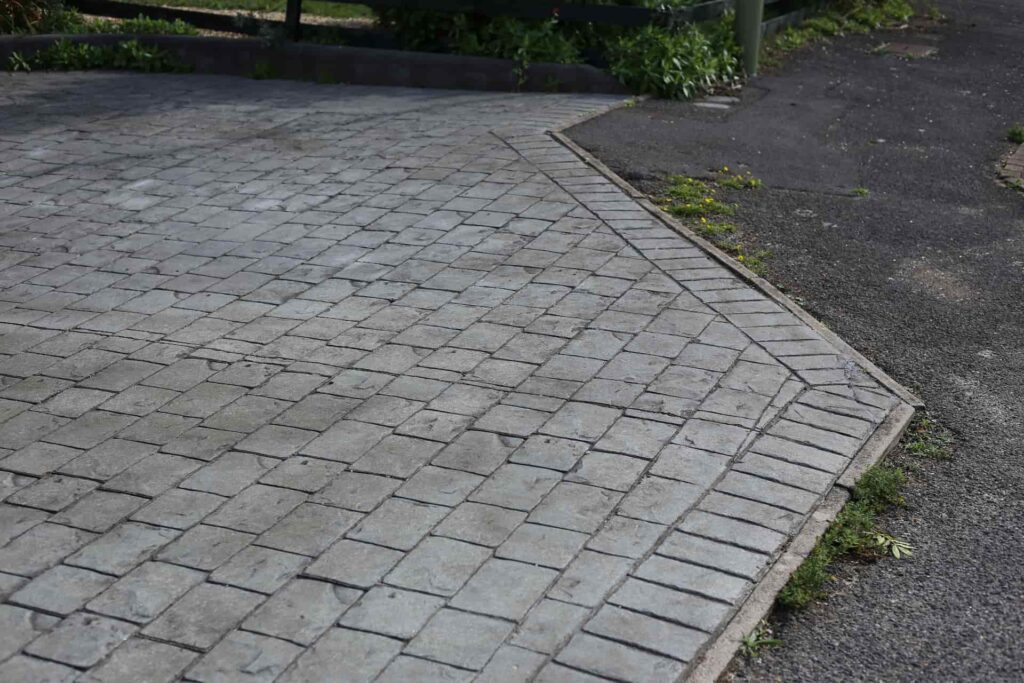
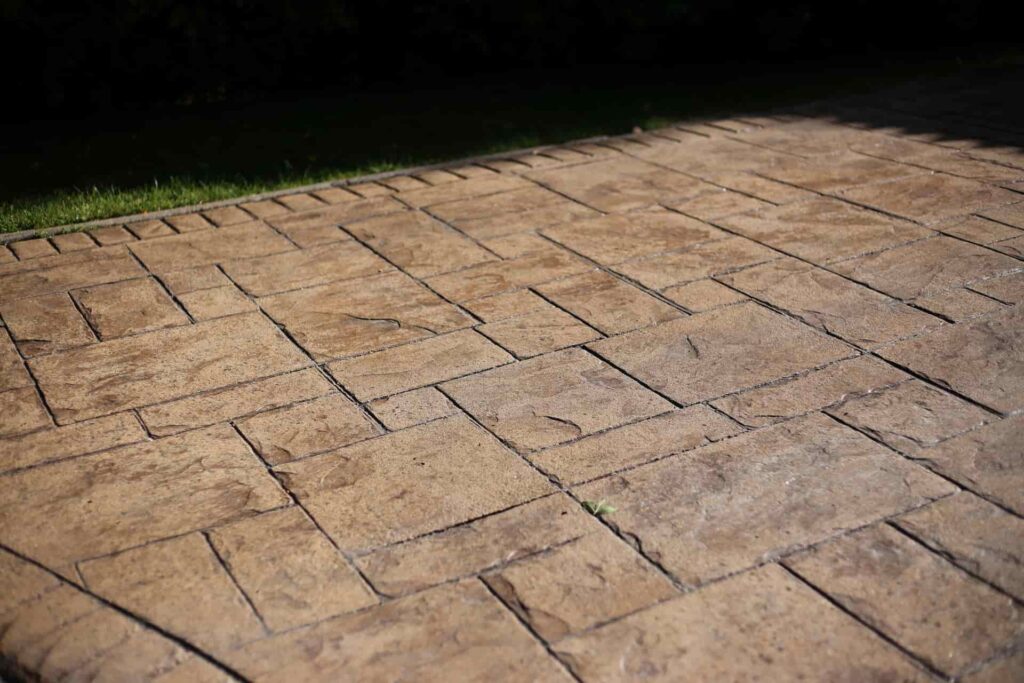
Pattern imprinted concrete is one coloured slab, pressed with a pattern while workable and then sealed, so it looks like paving with no joints for weeds.
Concrete Driveway Contractors in Beeston
If you want imprinted concrete Beeston neighbours will notice for the right reasons, you need a team used to tight frontages. Concrete driveways in Beeston are often laid outside Victorian and Edwardian terraces off the High Road, 1930s semis towards Chilwell, or family homes near Attenborough where every bit of space counts. Much of the town sits on sand and gravel left by the Trent, which drains better than clay but shifts if the base is not compacted properly. Close to the river, the water table can be high, so drainage still needs planning. With the tram, the university and the station all close by, parking pressure in parts of Beeston is high, and an off-road space is often worth more than the front garden it replaces.
Beeston customers usually want a neat parking space where the front garden was, a drive that fits two cars side by side, or a smart path and frontage for a terrace. The survey is free. With students and young families moving into the same streets, many landlords also want a hard-wearing frontage that needs very little upkeep between tenancies.
What Beeston Homeowners Say About Us
Reviews from local homeowners.
Fully insured · All work guaranteed · No obligation
Our Beeston Driveways
Not sure concrete is right for you? Compare it with the other driveways we install.
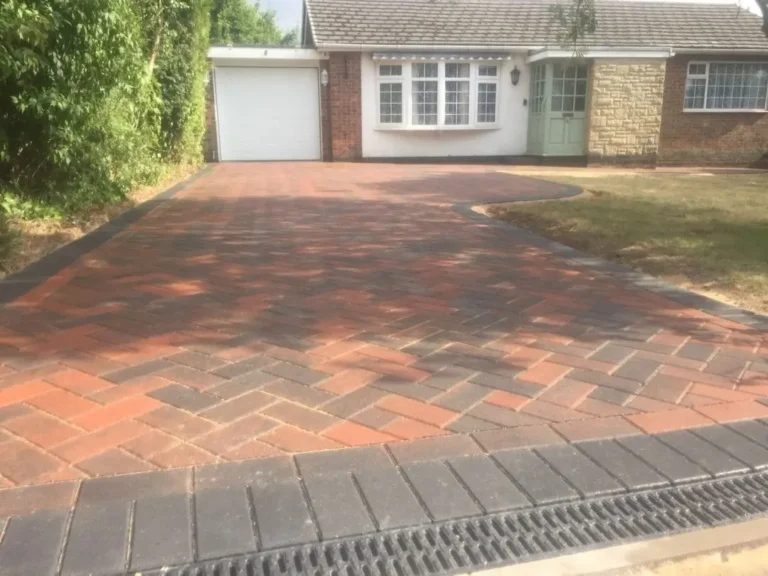
Block Paving
Patterned blocks that can be lifted and relaid. Block paving Beeston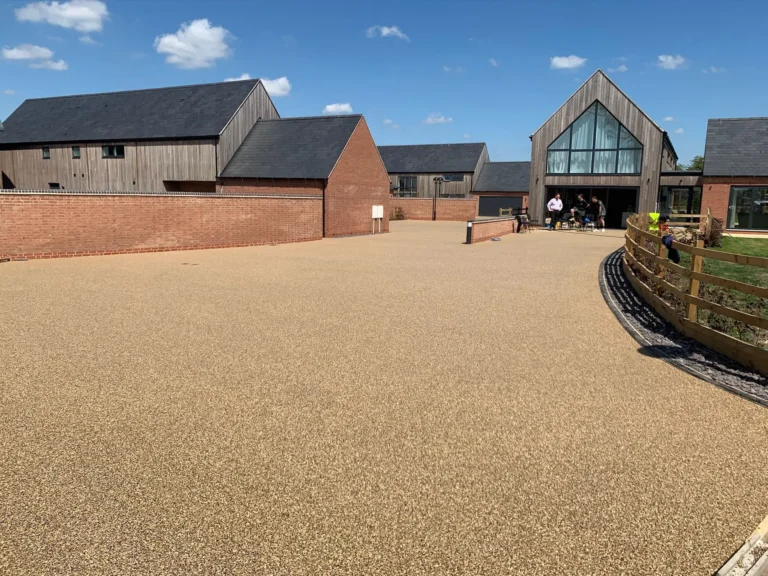
Resin Bound
Smooth, permeable and low maintenance. Resin driveways Beeston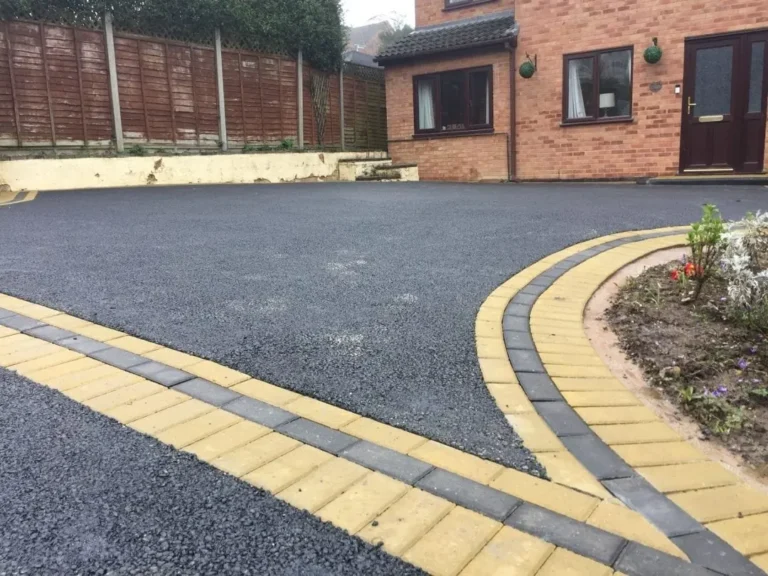
Tarmacadam
Hard-wearing and quick to lay. Tarmac driveways Beeston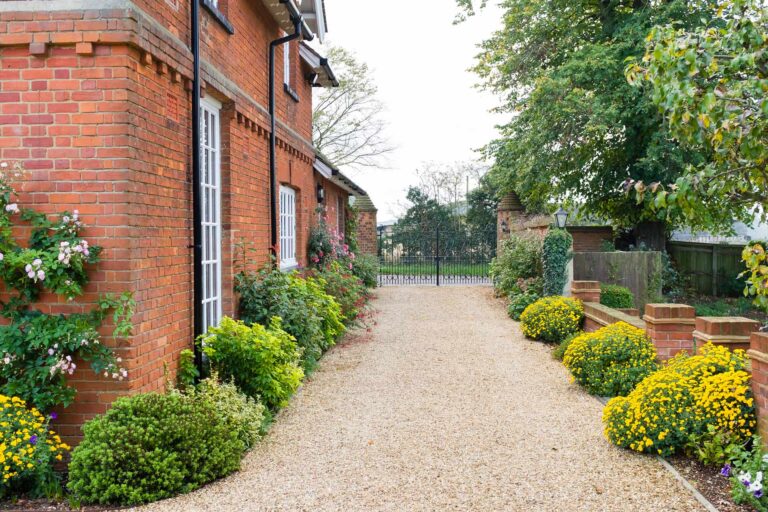
Gravel
The lowest-cost, free-draining option. Gravel driveways Beeston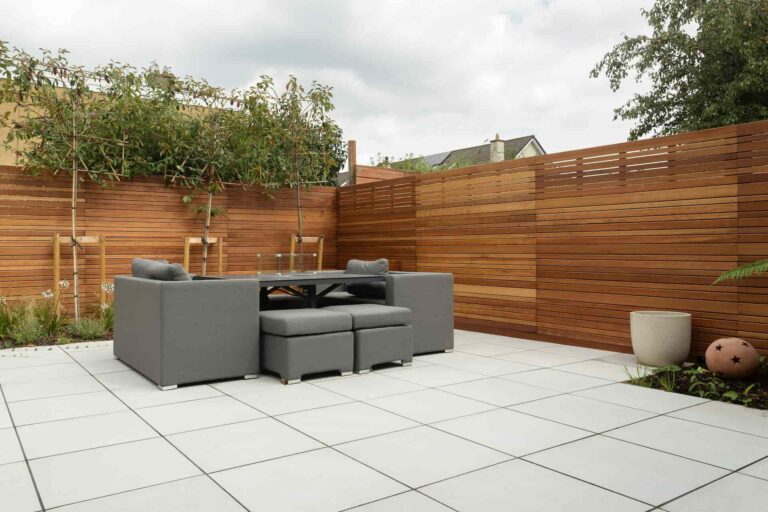
Patios & Paths
Matching patios and paths. Patios BeestonNot sure which driveway?
We will compare the options on your free site survey.
Book a free surveyTypes of Concrete Driveways in Beeston
Each finish changes the look, grip and upkeep.
Pattern Imprinted
Block, cobble or slate looks.
Coloured Concrete
Colour through the mix.
Standard Concrete
Plain or brushed, hard-wearing.
Exposed Aggregate
Stones in the surface for grip.
Beeston Imprinted Concrete Driveway Ideas
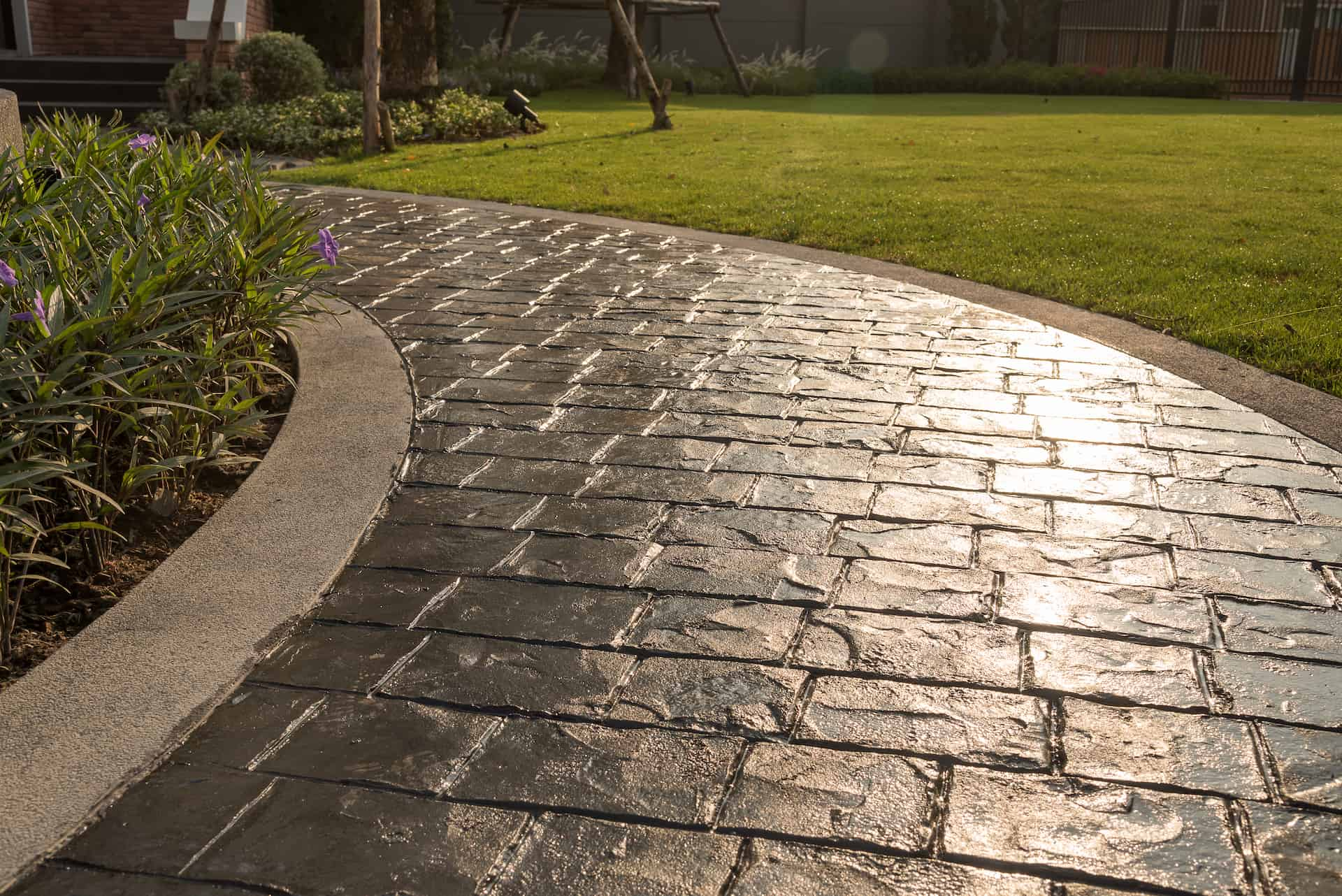
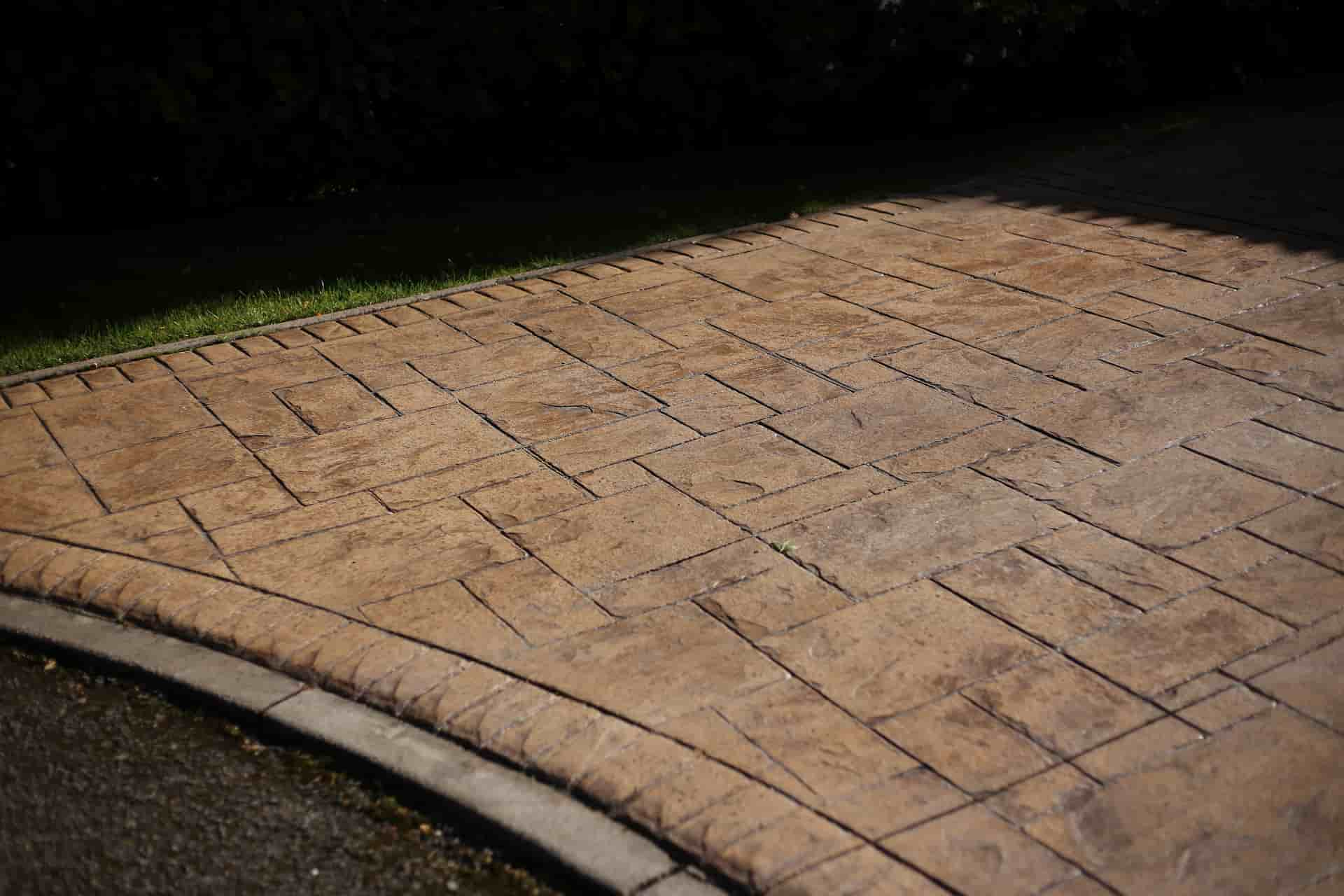
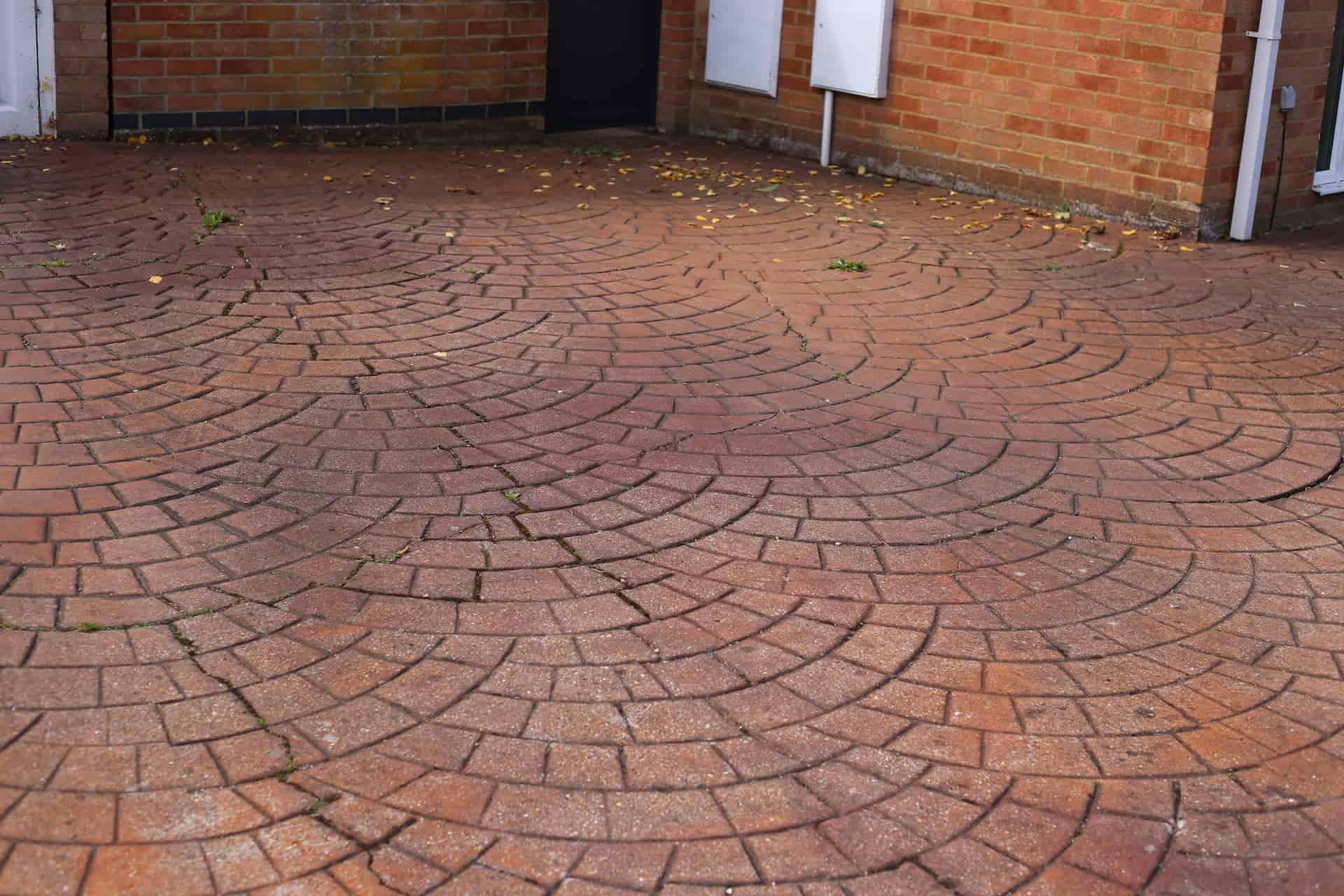
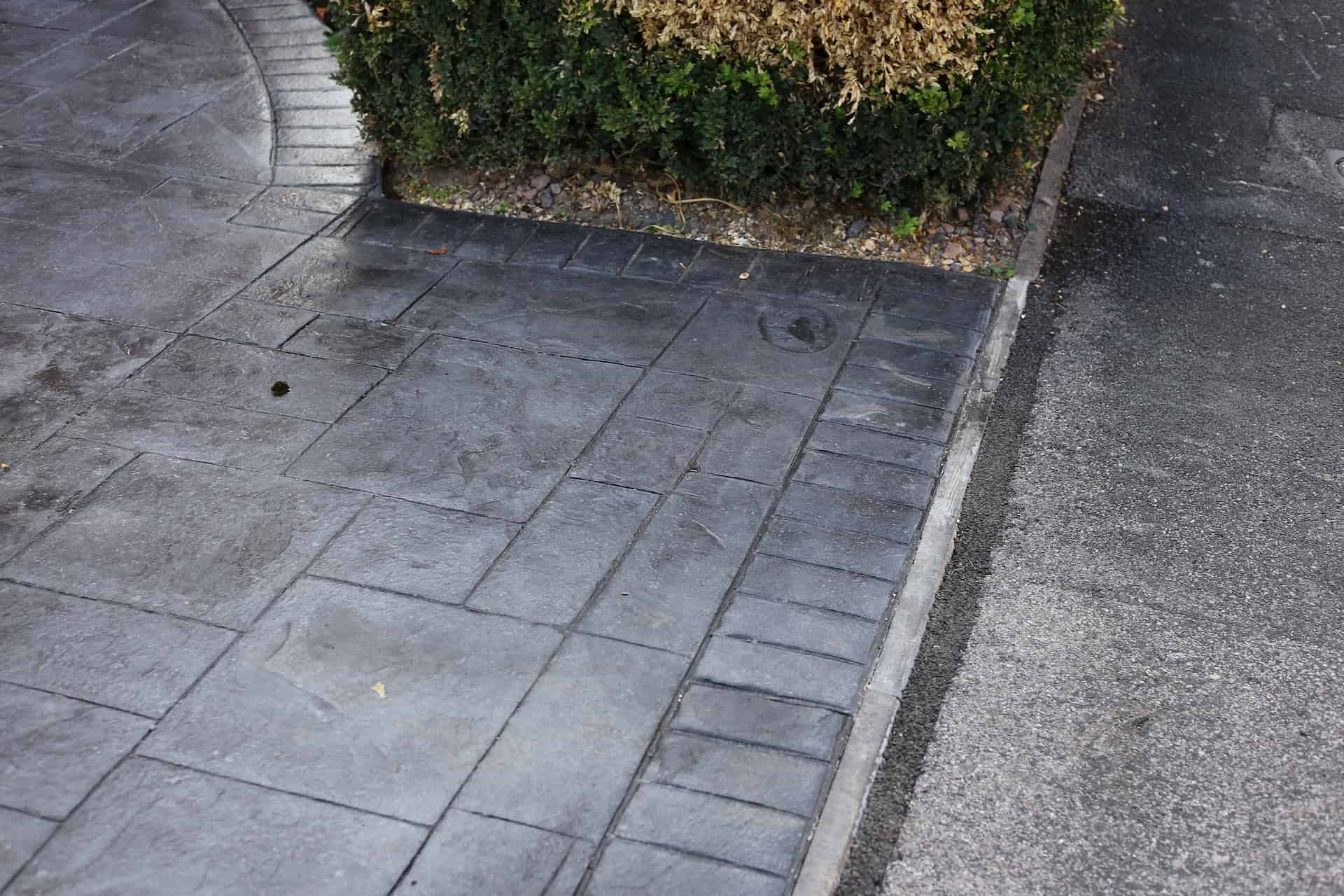
Small Beeston frontages look best in a single strong pattern with a slim border, such as ashlar slate in grey or a herringbone brick imprint in red. A low wall or planter at the boundary softens the look. On 1930s semis, matching the drive to the path and front step makes the whole frontage feel planned.
Is Your Beeston Driveway Past Its Best?
Compact Beeston drives show problems quickly because there is nowhere for them to hide.
Benefits Of Our Concrete Driveway Service in Beeston
Durability
One solid, hard-wearing slab.
Low Maintenance
No joints for weeds.
Versatility
Fits curves and awkward shapes.
Enhanced Kerb Appeal
Patterns to suit the house.
Cost-Effectiveness
Often less than block paving.
Eco-Friendly
No weedkiller, rain to a soakaway.
What's The Best Depth For Beeston Concrete Driveways?
Around 100mm of concrete on a compacted sub-base suits a family car; vans, soft ground or slopes need more.
Beeston's sandy, gravelly ground drains well in many streets, but loose sand under a slab can wash out or settle if the sub-base is not well compacted. Near Attenborough and the Trent, drives can sit wet in winter, so falls and a drain or soakaway are planned in. Terraces often have the pavement right at the boundary and cars parked on the street, so we plan the pour, deliveries and curing time around access and neighbours. Many Beeston terraces also have meters, manhole covers and drain gullies in the frontage, and these need raising or recessed covers so the finished slab sits flush around them.
We check access and parking at your Beeston survey, because a concrete pour needs the space to be clear on the day.
How is a Concrete Driveway Laid in Beeston?
Six stages, and the first three decide how long it lasts.
- STEP 01
Site Preparation
Dig out and compact a sub-base. - STEP 02
Formwork Installation
Shuttering sets levels and falls. - STEP 03
Rebar Placement
Reinforcement against cracking. - STEP 04
Concrete Mixing & Pouring
Poured and levelled together. - STEP 05
Finishing
Colour, pattern stamping and joints. - STEP 06
Curing & Sealing
Cured, then sealed.
Always in your written quote
Compare it with any other quote you get.
- Sub-base depth
- Concrete depth
- Joints and falls
- Pattern and colour
- Sealer
- Free site survey
How Much Does a Concrete Driveway Cost in Beeston?
Beeston frontages are often small, but access for the pour and creating a new kerb crossing can affect the price.
- Size of the driveway
- Digging out the old drive
- Sub-base depth
- Pattern and colour
- Drainage and falls
- Access for the pour
Concrete Driveway Repair Beeston NG9
Cracked or faded concrete? We will say honestly if it can be repaired.
Get my free quoteWhy choose Midlands Paving for your Concrete Driveways in Beeston?
Driveway layers who know the local ground.
A fully insured local company.
Backed by a written, itemised quote.
From suppliers such as Hanson, Cemex and Tarmac.







Do you lay imprinted concrete driveways in Beeston?
We do. Beeston jobs include pattern imprinted, coloured, standard and exposed aggregate concrete driveways, and repairs to existing concrete. Converting a small front garden into parking is common here.
How much does an imprinted concrete driveway cost in Beeston?
A small Beeston frontage costs less than a long drive, but access and any new kerb crossing affect the price. We look at both on a free survey and send a written quote, so ring 0115 936 1986 when you are ready.
Is imprinted concrete cheaper than block paving, resin or tarmac?
Usually less than block paving; tarmac and gravel often cost less again. Compare the groundwork, not just the surface.
How long does imprinted concrete last?
On a proper base with the right joints, the slab lasts many years. The sealer is what wears, so it needs renewing now and then.
Why do some imprinted concrete driveways crack?
On sandy ground, cracks usually follow settlement where the base was not compacted. We compact the sub-base in layers, add reinforcement and joints, and stop water collecting under the edges.
How often does imprinted concrete need resealing?
Every two to five years, depending on use and weather. Always on a dry day, as sealing damp concrete leaves cloudy patches.
Is imprinted concrete slippery when wet?
It can be on a slope. An anti-slip additive in the sealer and good falls help a lot.
Do I need planning permission for an imprinted concrete driveway?
Parts of Beeston are a conservation area. Anywhere in town, a solid front drive over five square metres needs permission unless rainwater drains to a permeable area, and a new dropped kerb needs council approval.
How long does it take to install a concrete driveway?
Most of the time goes on the base. The pour and pattern happen in one go, then the concrete cures before sealing and driving on it.
How do I know a concrete driveway quote is fair and complete?
It is written and itemised: depths, joints, falls, pattern, colour, sealer and drainage.
Get A Free Imprinted Concrete Quote Today
Tell us about your driveway. We will arrange a free site survey and send a written, itemised quote.
- 0115 936 1986
- Free site surveys
- No obligation quotations
- All work guaranteed
"*" indicates required fields